
Moles
Expert Mole Examination and Treatment at Tru-Skin Dermatology
Moles are among the most common skin growths, appearing as small, dark spots or patches that can form anywhere on the body. Most moles are harmless, but some may develop irregular features that indicate precancerous or cancerous changes. Because these changes can be subtle, professional evaluation is crucial for maintaining healthy skin and detecting potential issues early.
At Tru-Skin Dermatology, our board-certified dermatologists provide expert mole examinations using advanced diagnostic tools to assess each mole’s characteristics. We identify signs of irregularity, monitor for potentially cancerous moles, and provide personalized care recommendations to ensure your skin remains protected and healthy.
What Are Moles?
Moles, also known as nevi, are common skin growths that usually appear as small, dark spots or patches. They can be round or oval, flat or raised, and range in color from pink or brown to nearly black. Most moles develop during childhood and adolescence, though new moles can appear at any age.
While the majority of moles are benign, some can change over time. Changes in size, shape, color, or texture may indicate a higher risk for skin cancer. Factors such as genetics and sun exposure can influence the formation and evolution of moles. Regular monitoring and professional skin exams are crucial to detect and treat any concerning moles promptly.
Type of Moles
Moles can vary widely in appearance, texture, and risk level. Understanding the different types of moles can help you identify which ones may need closer monitoring or professional evaluation. While most moles are benign, some, like melanoma moles, require prompt attention to prevent serious skin health issues. Other common types include tag moles and congenital moles, each with distinct characteristics.
Common Moles
These are typical, benign moles that appear as small, evenly colored spots on the skin. They are usually round or oval and may be flat or slightly raised. Common moles are generally harmless, but should be monitored for any changes in size, shape, or color.
Congenital Moles
Congenital moles are present at birth or appear during early childhood. They can range in size from small to large and sometimes carry a higher risk for developing melanoma moles later in life. Regular dermatologist evaluations are recommended for congenital moles, especially if they are large or irregular.
Atypical or Dysplastic Moles
These moles may have irregular borders, uneven color, or a larger-than-average size. Atypical moles are more likely than common moles to develop into melanoma moles, making monitoring and professional skin exams essential.
Tag Moles (Skin Tags)
Tag moles are small, soft, flesh-colored growths that hang off the skin. They are typically benign and painless, but many patients choose to have them removed for cosmetic reasons or if they become irritated.
Melanoma Moles
Melanoma moles are cancerous growths that require immediate medical attention. They often have irregular shapes, uneven colors, and may change in size or texture over time. Early detection through regular skin checks is crucial for successful treatment.
What Causes Moles?
Moles form when pigment-producing cells, called melanocytes, cluster together instead of spreading evenly across the skin. This creates small dark spots or raised areas that can appear anywhere on the body. Most moles develop naturally during childhood or adolescence.
Genetics, sun exposure, and hormonal changes can all influence how and when moles appear. Spending time in the sun may darken existing moles or cause new ones to form, while puberty or pregnancy can also trigger changes. Although most moles are harmless, monitoring for irregular or cancerous moles helps ensure early detection and healthy skin.
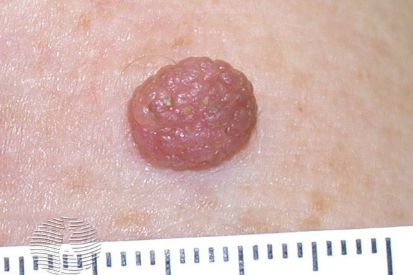
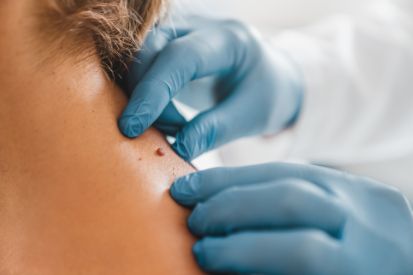
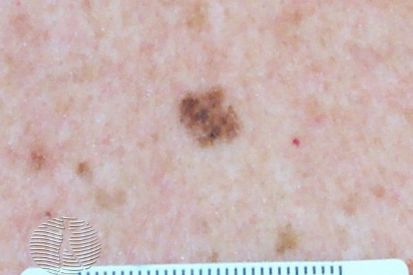
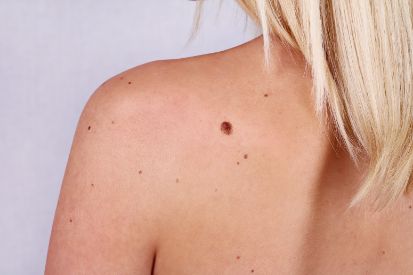
Examples of Moles

How to Know if You May Have A Cancerous Mole
Not all moles are harmless. Some may develop changes that signal skin cancer moles or melanoma moles. Recognizing the warning signs early can make a significant difference in detection and treatment. Dermatologists use the “ABCDE” guide to help identify potentially cancerous moles:
- Asymmetry: One half of the mole looks different from the other.
- Border: The edges are irregular, blurred, or uneven.
- Color: The mole has multiple shades or has recently changed color.
- Diameter: It measures larger than ¼ inch (about 6 mm).
- Enlargement: The mole has grown in size, shape, or elevation over time.
If you notice any of these features, schedule a professional skin exam at Tru-Skin Dermatology for expert evaluation and peace of mind.
What To Do if You Suspect A Cancerous Mole
- While most moles are harmless, it's important to watch for changes that could indicate cancer.
- See our Austin dermatologists promptly if you notice changes in a mole's color, size, or shape.
- Pain or itchiness in a mole can also be warning signs.
- Sun exposure increases the risk of mole-related cancer.
Mole Checks in Austin, TX
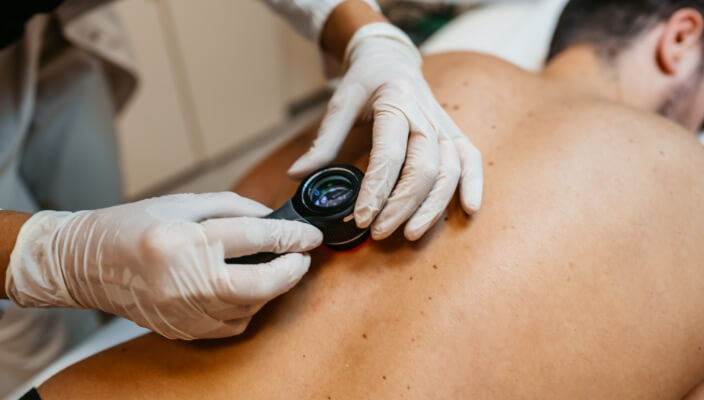
When it is time to check your moles, we will make use of the DermLite DL100, the first oil-free, handheld epi-luminescent dermoscopy advice. Harnessing the latest advancements in technology, we will be able to quickly and accurately detect atypical features in moles within just a few seconds. We will then work together with you to see how to best proceed. We may also conduct a biopsy for further evaluation.
How to Remove Moles
If a mole is bothersome, irritated, or identified as suspicious, professional removal may be recommended. A board-certified dermatologist can perform safe and effective mole removal procedures tailored to your skin type and needs. Removing moles at home is never advised, as it can lead to infection, scarring, or incomplete removal of potentially cancerous moles.
Common medical mole removal options include:
- Surgical Excision: The mole and a small margin of surrounding skin are carefully removed, then the area is closed with sutures.
- Shave Removal: The mole is gently shaved off at the surface of the skin, typically leaving minimal scarring.
- Cryotherapy: Liquid nitrogen is used to freeze and destroy small, benign moles.
- Laser Treatment: Concentrated light energy helps remove certain flat or pigmented moles with precision and minimal downtime.
After removal, the tissue may be sent for biopsy to ensure there are no signs of melanoma moles or other skin cancers. Your Tru-Skin provider will guide you through aftercare to promote proper healing and reduce scarring.
The Importance of Total Body Skin Exams
Mole Treatment at Tru-Skin Dermatology
Whether you’re concerned about a cancerous mole or want to remove a mole for cosmetic reasons, the expert dermatologists at Tru-Skin Dermatology provide safe, precise, and effective treatment options. Our team uses advanced techniques such as surgical excision, shave removal, and other minimally invasive methods designed to achieve healthy, natural-looking results with minimal scarring.
If you’ve noticed changes in a mole or simply want professional guidance, our specialists are here to help. Schedule an appointment at Tru-Skin Dermatology to discuss your mole evaluation or removal options and receive personalized care for your skin’s health and appearance.
Moles FAQs
You should watch for changes in a mole’s size, shape, or color, as well as any itching, bleeding, or pain. These can be early signs of cancerous moles or melanoma moles. Regular self-checks and professional skin exams help detect concerns early when treatment is most effective.
Most moles are harmless, but some can develop into skin cancer moles, including melanoma. Any mole that changes over time or looks different from others on your body should be evaluated by a dermatologist. Early detection is key to successful treatment.
Moles are sensitive to UV rays, so sun protection is essential. Apply broad-spectrum sunscreen daily, wear protective clothing, and avoid peak sun hours. These steps reduce your risk of developing new moles or damaging existing ones.
Not always. It’s normal to develop new moles during childhood and adolescence. However, adults who notice new moles, or significant changes in existing ones, should schedule a skin exam to rule out potential melanoma moles.
No, you should never attempt to remove a mole at home. Doing so can lead to infection, scarring, or incomplete removal of potentially cancerous tissue. Always have moles evaluated and removed by a qualified dermatologist.
Dermatologists recommend a professional skin exam once a year, or more frequently if you have many moles, a personal or family history of skin cancer, or notice any new or changing spots.
From the Tru-Skin Dermatology Blog
- Skin Cancer
- General Dermatology
- Skin Exams
- Sun Safety
- Skin Care
Texans have an increased risk of skin conditions due to the fluctuating climatic conditions. Therefore, Tru-Skin Dermatology provides our Texas patients with regular check-ups for their skincare.
Read More
- General Dermatology
- Skin Care
In this blog post, we will highlight the most common errors people make while washing their faces and provide practical solutions for maintaining healthy skin.
Read More
- Skin Cancer
- General Dermatology
- Cosmetic Treatments
At Tru-Skin Dermatology, we offer a wide range of common dermatology procedures to patients throughout Austin, TX, and the surrounding areas. Read this blog to learn more about how we can help you achieve your skin goals.
Read MoreFeatured Products for Sun Protection
Check your local office for current stock!
Check your local office for current stock!