Psoriasis

Psoriasis: Causes, Types, and Expert Treatment at Tru-Skin Dermatology in Central Texas

Psoriasis is a chronic, non-contagious skin condition that causes red, inflamed patches and silvery scales due to overactive skin cell production. At Tru-Skin Dermatology, our experts provide personalized psoriasis treatment plans to address your unique symptoms and help you maintain healthy, comfortable skin. Serving patients across Central Texas, we are dedicated to managing flare-ups and improving quality of life.

What Is Psoriasis?

Psoriasis is a chronic skin condition caused by an overactive immune system, which speeds up skin cell growth and leads to thick, scaly patches. Many people ask, “Is psoriasis contagious?”; it is not—psoriasis cannot be spread to others.

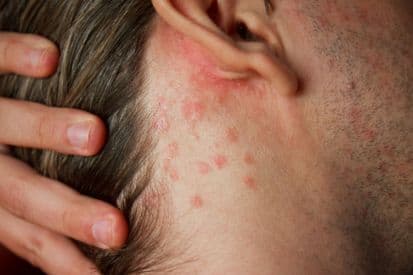
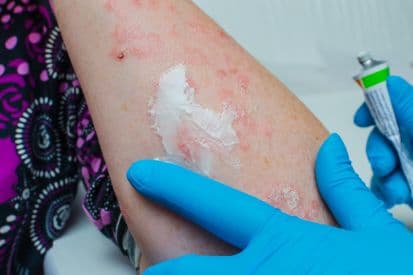
Affecting over 7.5 million Americans, psoriasis can appear at any age and impact the skin, scalp, and nails. Those wondering, “What does psoriasis look like?” typically see red, inflamed patches with silvery scales. Beyond its physical effects, psoriasis can also impact emotional well-being, making early diagnosis and treatment important.

Types of Psoriasis

Psoriasis can appear in several distinct forms, each with its own look, triggers, and treatment approach. Many people confuse psoriasis vs eczema because both cause red, itchy, inflamed skin—but psoriasis typically has thicker, scaly patches and is linked to immune system overactivity. 

The dermatology experts at Tru-Skin Dermatology can help you determine which type of psoriasis you have and design a personalized treatment plan to manage your symptoms effectively.

Plaque Psoriasis 

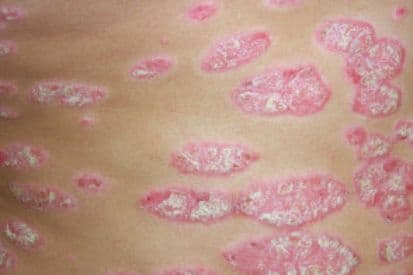
Plaque psoriasis is the most common type. It appears as raised, red patches covered with silvery-white scales and may cause itching, burning, or soreness. These plaques commonly develop on the scalp, elbows, knees, and lower back, but can appear anywhere on the body. Over time, they can crack or bleed if left untreated.

Guttate Psoriasis 

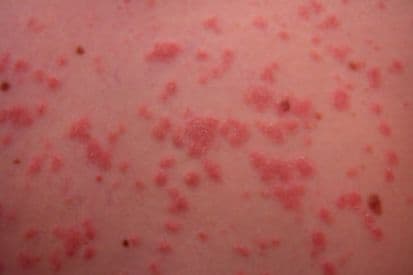
Guttate psoriasis is often seen in children and young adults and tends to appear suddenly, often after strep throat or another upper respiratory infection. It shows up as small, red, drop-shaped spots scattered across the skin, especially on the torso, arms, and legs. While it sometimes resolves on its own, it can also become a recurring condition. Early evaluation and treatment can prevent it from progressing into chronic plaque psoriasis.

Pustular Psoriasis 

Pustular psoriasis is characterized by white, pus-filled blisters surrounded by red, inflamed skin. Despite their appearance, these blisters are not infectious or contagious. This type can affect localized areas, most often the hands and feet, or appear more widely across the body. Flare-ups can be painful and may require advanced therapies to bring the skin back to balance.

Inverse Psoriasis 

Inverse psoriasis affects the skin folds, including the armpits, groin, under the breasts, and around the buttocks. It presents as smooth, shiny red patches that worsen with friction, heat, and sweating. Due to its location, this type can be particularly uncomfortable and prone to irritation from clothing or moisture. 

Erythrodermic Psoriasis

Erythrodermic psoriasis is a rare, but serious form of the disease that causes widespread redness, peeling, and severe itching or pain across large areas of skin. It can disrupt the body’s ability to regulate temperature and may require immediate medical attention. 

What are the Symptoms of Psoriasis?

Psoriasis symptoms can range from mild irritation to more widespread inflammation that affects comfort and confidence. This chronic immune-related condition often cycles through periods of flare-ups and remission. The dermatology specialists at Tru-Skin can help identify your psoriasis symptoms and create a personalized treatment plan to keep your skin healthy and balanced. 

Common psoriasis symptoms include:

  • Red, inflamed skin that may feel sore or warm to the touch
  • Silvery-white scales that flake or peel
  • Itching, burning, or stinging sensations
  • Dry, cracked skin that may bleed or become painful
  • Thickened, ridged, or pitted nails
  • Joint pain and swelling, which can indicate psoriatic arthritis
  • Anxiety or self-consciousness caused by visible flare-ups

What Causes Psoriasis?

Understanding psoriasis causes is key to managing flare-ups and preventing new ones from forming. Psoriasis develops when the immune system becomes overactive, speeding up skin cell growth and leading to inflammation and visible buildup on the skin’s surface. 

While the exact cause isn’t fully known, genetics, immune response, and environmental factors all play a role. Identifying your specific triggers can help reduce flare frequency and improve long-term skin health. 

Primary Psoriasis Causes:

  • Immune system dysfunction that accelerates skin cell production
  • Genetic predisposition or family history of psoriasis
  • Environmental triggers that irritate or stress the skin

Common Psoriasis Triggers: 

  • Stress and anxiety
  • Illnesses or infections (such as strep throat)
  • Cold, dry weather
  • Certain medications
  • Excessive alcohol use
  • Skin injury or irritation (Koebner phenomenon) 

Preventing Psoriasis Flare-Ups

Managing psoriasis often means taking small, consistent steps to prevent flare-ups before they start. Keeping your skin moisturized, using vitamin C serum, managing stress, and avoiding harsh soaps or alcohol-based products can all help minimize irritation. A dermatologist-recommended skincare routine ensures you’re using products and treatments that support your skin’s natural balance.

Ongoing care is just as important as daily habits. Regular follow-ups with your dermatologist allow treatment adjustments over time, helping you maintain long-term control and reduce the frequency and severity of psoriasis flare-ups.

Nishan Thapa, PA-C Discusses Psoriasis Treatment Options

Psoriasis Treatments

Tru-Skin Dermatology offers personalized treatment plans based on the type and severity of psoriasis. For mild cases, topical therapies like corticosteroids and moisturizers help reduce inflammation, while phototherapy using UV light or excimer lasers can target more stubborn patches.

For moderate to severe psoriasis, systemic or biologic medications may be recommended to calm the immune system and prevent flare-ups. Our dermatologists also guide patients on lifestyle strategies, including stress management and gentle skincare routines, with regular follow-ups to maintain long-term skin health.

Our dermatologists tailor treatment plans to individual needs, emphasizing a balance between managing symptoms and minimizing potential side effects. Regular monitoring and follow-ups with our team of skin experts are crucial for effective psoriasis management and to develop a health skin routine for years to come.

When to See a Dermatologist for Psoriasis

While mild psoriasis may be manageable with at-home care or over-the-counter treatments, there are times when professional dermatological care is essential. At Tru-Skin Dermatology, our board-certified experts provide tailored treatment plans to help you manage symptoms, reduce flare-ups, and protect your long-term skin health.

 You should schedule an appointment with a dermatologist if you experience any of the following:

  • Your symptoms worsen or cover a larger area of your body
  • Psoriasis is interfering with your sleep, comfort, or daily activities
  • You have painful or swollen joints, which may indicate psoriatic arthritis
  • Over-the-counter treatments or prescriptions are no longer effective
  • You notice changes in your nails, such as pitting, thickening, or discoloration
  • Your skin becomes cracked, painful, or shows signs of infection (e.g., warmth, pus, red streaks)
  • You experience intense itching, burning, or stinging that doesn’t improve
  • You’re unsure whether your symptoms are due to psoriasis or another skin condition

Early intervention can help prevent complications, minimize discomfort, and preserve your quality of life. Whether you’re newly diagnosed or have been managing psoriasis for years, our team is here to help you regain control and feel confident in your skin.

Take control of your psoriasis today, and schedule a skin care appointment with Tru-Skin Dermatology.

Psoriasis FAQs

Currently, there is no cure for psoriasis, but it can be effectively managed with the right treatment plan. Many patients experience long periods of symptom relief through topical treatments, phototherapy, systemic medications, and lifestyle adjustments.

Cold, dry weather can worsen psoriasis by drying out the skin and triggering flare-ups. Using moisturizers, avoiding hot showers, and using a humidifier during dry months can help keep skin hydrated and reduce irritation.

Yes, but extra caution is needed. Tattooing or piercing over areas affected by psoriasis may trigger a flare-up (Koebner phenomenon). It’s best to discuss with your dermatologist first and avoid affected or inflamed areas.

Stress is a common trigger for psoriasis flare-ups because it affects the immune system. Stress management techniques such as meditation, exercise, adequate sleep, and counseling can help reduce flares.

No, psoriasis is not contagious. You cannot catch it from or transmit it to another person.

Yes. Psoriasis can cause nail pitting, thickening, or separation, and some patients develop psoriatic arthritis, which affects joints. Early treatment can help protect nails and joints.