
Superficial Radiation Therapy (SRT)
SRT-100: A non-surgical skin cancer treatment.
Treatment availability varies by Tru-Skin Dermatology location. Please contact your clinic to confirm.

SRT-100: A non-surgical skin cancer treatment.
Treatment availability varies by Tru-Skin Dermatology location. Please contact your clinic to confirm.
Superficial Radiation Therapy (SRT) is a non-invasive treatment option for select non-melanoma skin cancers, including basal cell carcinoma (BCC) and squamous cell carcinoma (SCC).
SRT uses low-energy X-rays to treat cancer cells on or just beneath the skin’s surface while limiting exposure to surrounding healthy tissue.
Our practices use the Sensus Healthcare SRT-100™, a system designed specifically for superficial radiation therapy. Treatment does not require surgery, incisions, stitches, or anesthesia.
For appropriate patients looking for an alternative to surgery, SRT offers an in-office treatment option with minimal disruption to everyday life. Most patients can continue their usual activities throughout treatment.
How Superficial Radiation Therapy Works
SRT delivers carefully controlled doses of low-energy radiation directly to the treatment area. The radiation damages the DNA of cancer cells, interfering with their ability to reproduce and ultimately causing them to die.
Because the radiation penetrates only a short distance below the skin’s surface, treatment can be focused on the prescribed area.
With the SRT-100, an applicator cone is positioned over the treatment site to precisely direct X-ray energy. Once treatment begins, radiation delivery may take less than 90 seconds, although the complete office visit will take longer.
The SRT-100™
The SRT-100 is a superficial radiation therapy system developed by Sensus Healthcare for the treatment of non-melanoma skin cancers and other appropriate conditions.
It may be used to treat lesions on areas including the:
Face and scalp
Nose and folds of the nose
Eyelids
Lips and corners of the mouth
Ears
Arms and legs
Back and trunk
SRT may be especially helpful when skin cancer is located in a visible or anatomically challenging area where surgery could result in more noticeable scarring or require reconstruction. It may also be considered for patients who face greater risks with surgery.
Your dermatologist will consider your diagnosis, the characteristics of the lesion, your overall health, and your treatment goals to determine whether SRT is appropriate for you.
Why Our Practices Use the SRT-100™
Our practices offer superficial radiation therapy with the Sensus SRT-100™, a system designed specifically to deliver low-energy X-rays for the treatment of appropriate non-melanoma skin cancers.
With the SRT-100, treatment stays focused on what matters: delivering a precise, controlled dose of superficial radiation to the prescribed treatment area. Your dermatologist and care team develop an individualized treatment plan based on your diagnosis, the characteristics of the lesion, and your overall health.
The SRT-100 provides a proven, straightforward approach to superficial radiation therapy without surgery, incisions, stitches, or anesthesia. For appropriate patients, it offers an effective treatment option while helping preserve surrounding tissue and minimize disruption to everyday life.
How Is SRT-100 Different From GentleCure®?
You may come across GentleCure® while researching non-surgical treatment for skin cancer. GentleCure is a branded treatment offering from SkinCure Oncology. It is not the treatment program offered by our practices.
Our practices have chosen the Sensus SRT-100 for superficial radiation therapy. We believe in a treatment experience centered on your dermatologist’s clinical expertise, an individualized treatment plan, and technology designed specifically for superficial radiation therapy.
Rather than focusing on a branded treatment program, our approach keeps your care where it belongs: between you and your clinical team.
Your dermatologist can explain why SRT-100 treatment may be appropriate for your diagnosis and help you understand all of your treatment options.
Conditions Treated With SRT
Superficial Radiation Therapy may be recommended for:
Basal cell carcinoma (BCC)
Squamous cell carcinoma (SCC)
Certain recurrent skin cancers
Treatment recommendations depend on the type, size, location, and depth of the lesion, along with your overall health and treatment goals.
Benefits of Superficial Radiation Therapy
No Surgery
SRT does not require incisions, stitches, or surgical reconstruction.
Preserves Surrounding Tissue
SRT directs low-energy radiation to the treatment area without surgically removing surrounding tissue.
Minimal Downtime
Most patients can return to their usual daily activities after treatment sessions.
A Comfortable Treatment Experience
Treatment is generally well tolerated and typically involves little to no discomfort. Anesthesia is not required.
Favorable Cosmetic Outcomes
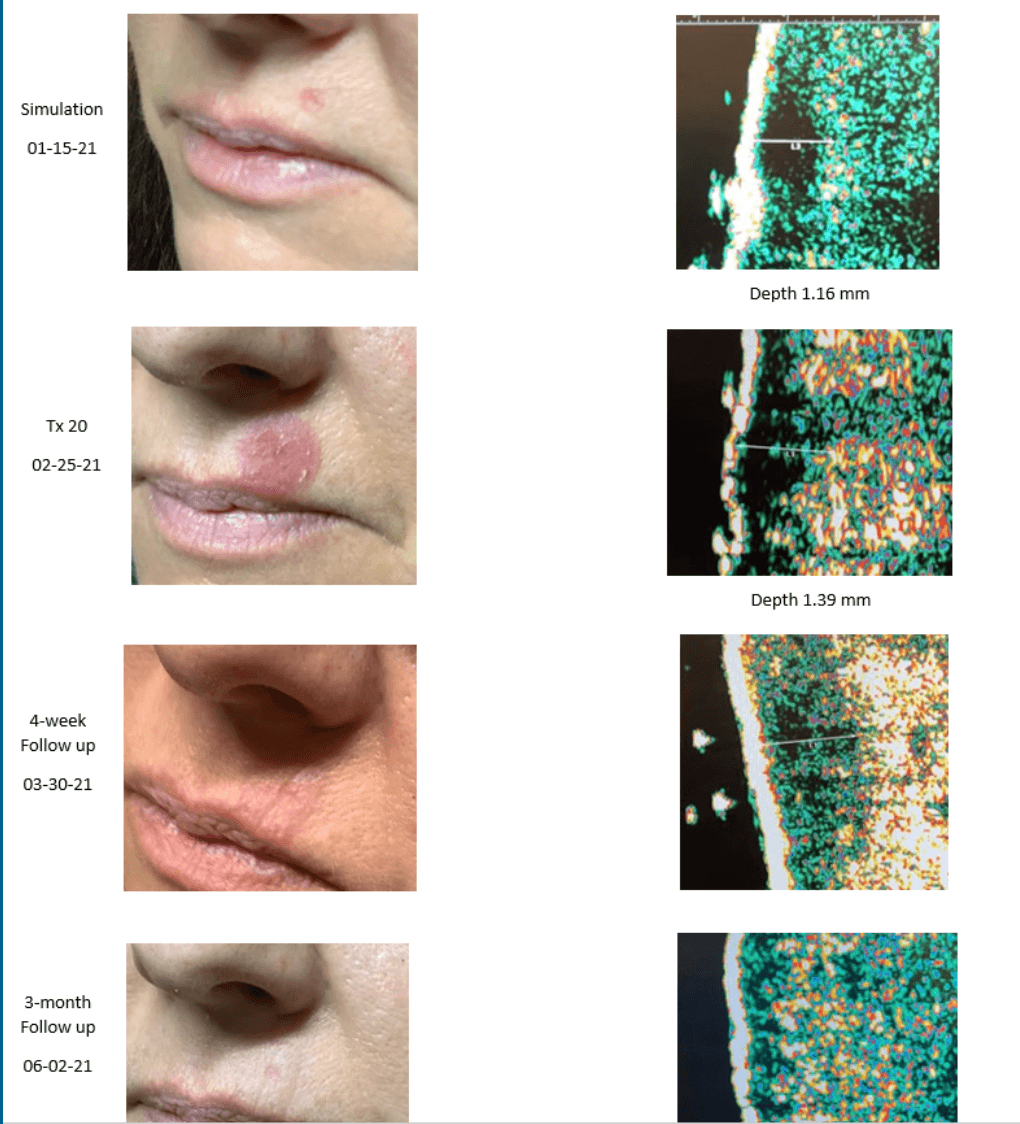
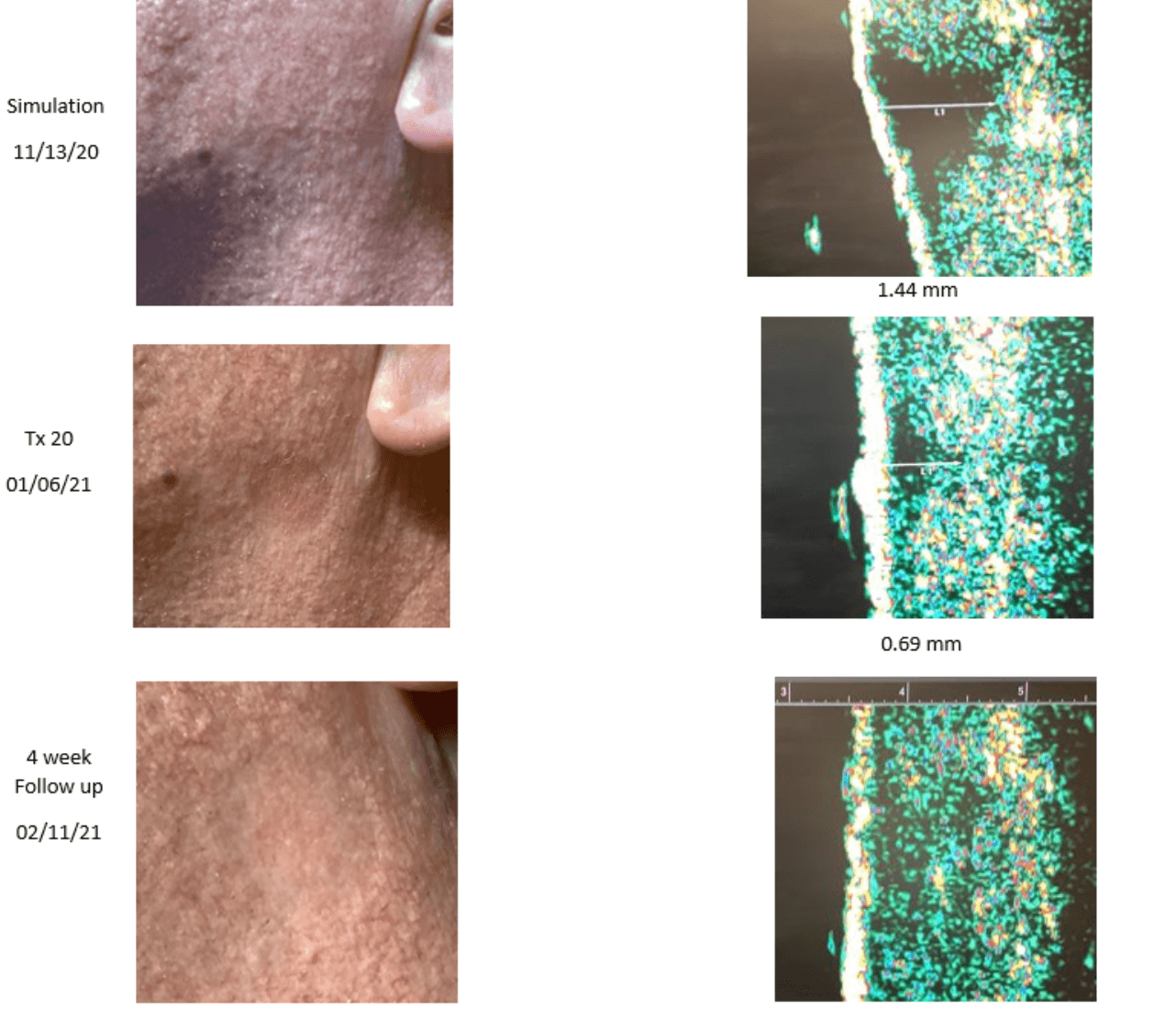
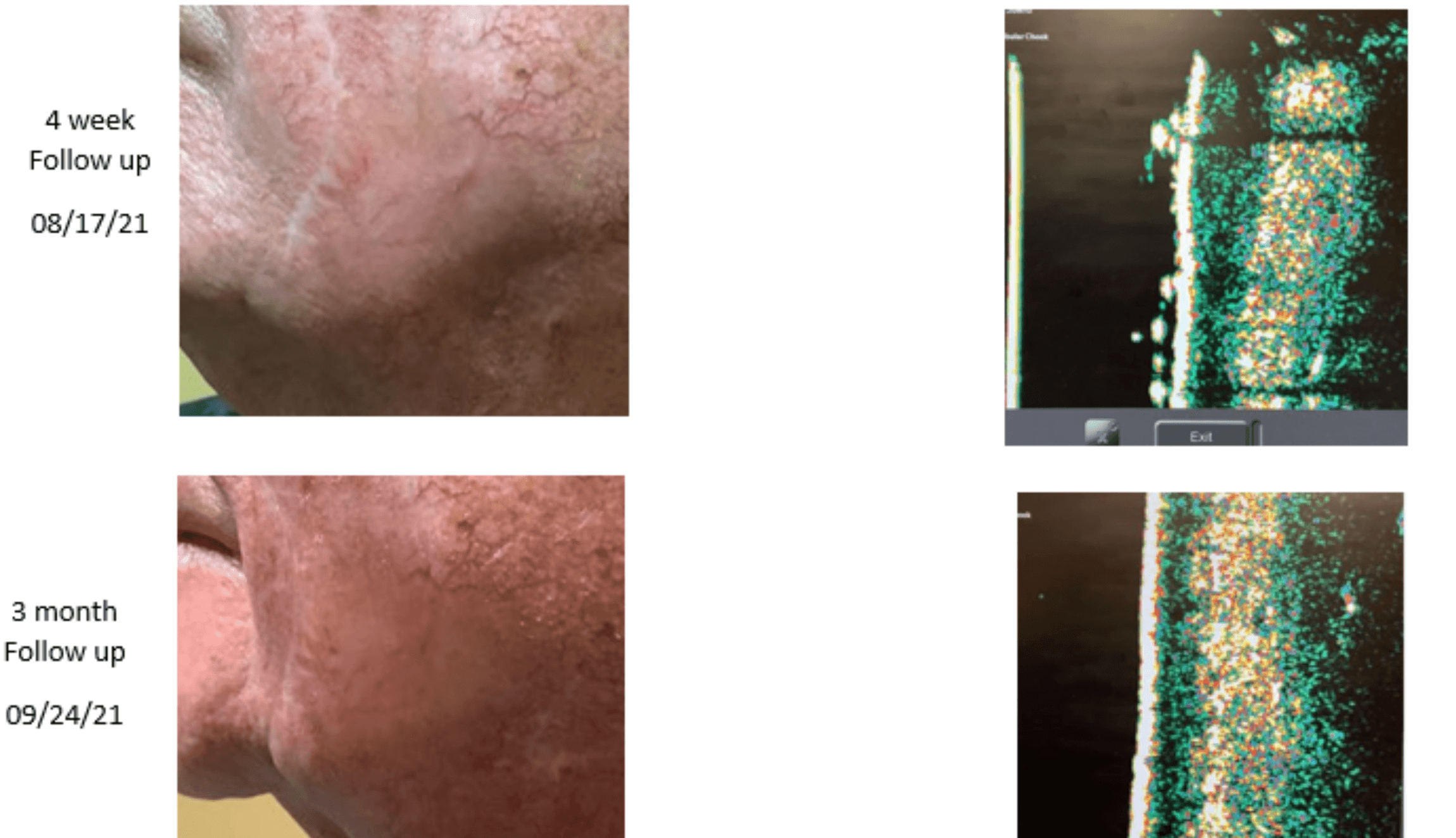
Because SRT does not involve cutting or suturing, it can offer favorable cosmetic outcomes, particularly for cancers in visible or sensitive areas such as the face, ears, scalp, and neck.
What to Expect During Treatment
Your care team will create a treatment plan based on your diagnosis and the characteristics of the lesion.
During each treatment, an applicator cone is positioned over the treatment area to direct precise X-ray energy to the prescribed site. Once treatment begins, radiation delivery with the SRT-100 may take less than 90 seconds. Your complete appointment will take longer to allow time for preparation, positioning, and evaluation by your care team.
SRT is delivered over a series of office visits rather than in a single procedure. The number and frequency of treatments will depend on your physician’s recommendations and your individual treatment plan.
No anesthesia is required, and most patients can return to their usual activities after treatment.
Potential Side Effects
As with any medical treatment, side effects can occur. Reactions at the treatment site may include:
Redness or irritation
Temporary swelling
Skin dryness, peeling, or scabbing
Changes in skin pigmentation
Hair loss within the treated area
Redness may become more noticeable over the course of treatment. After treatment, the skin may form a protective scab as new skin develops underneath.
Your care team will monitor the area throughout treatment and provide guidance for managing skin reactions.
Frequently Asked Questions
Is SRT Right for You?
Every skin cancer — and every patient — is different.
If you have been diagnosed with basal cell carcinoma, squamous cell carcinoma, or another condition that may be appropriate for Superficial Radiation Therapy, our team can help you understand your options.
We’ll review your diagnosis, explain what to expect with SRT-100 treatment, and help determine whether superficial radiation therapy is an appropriate choice for your care.
We’re here to answer your questions and help you feel confident about what comes next.
Schedule a consultation to learn more.
SRT Locations
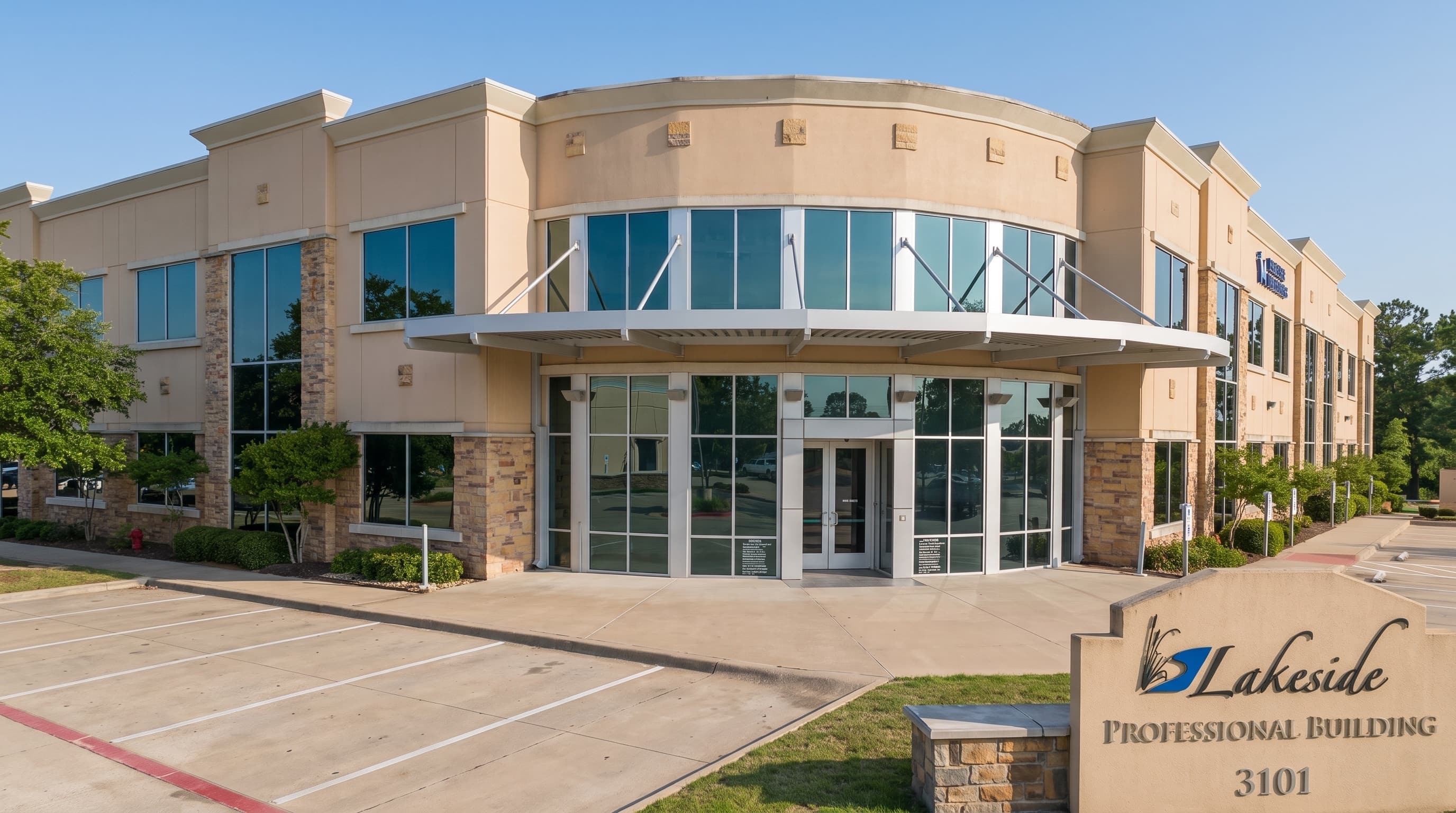
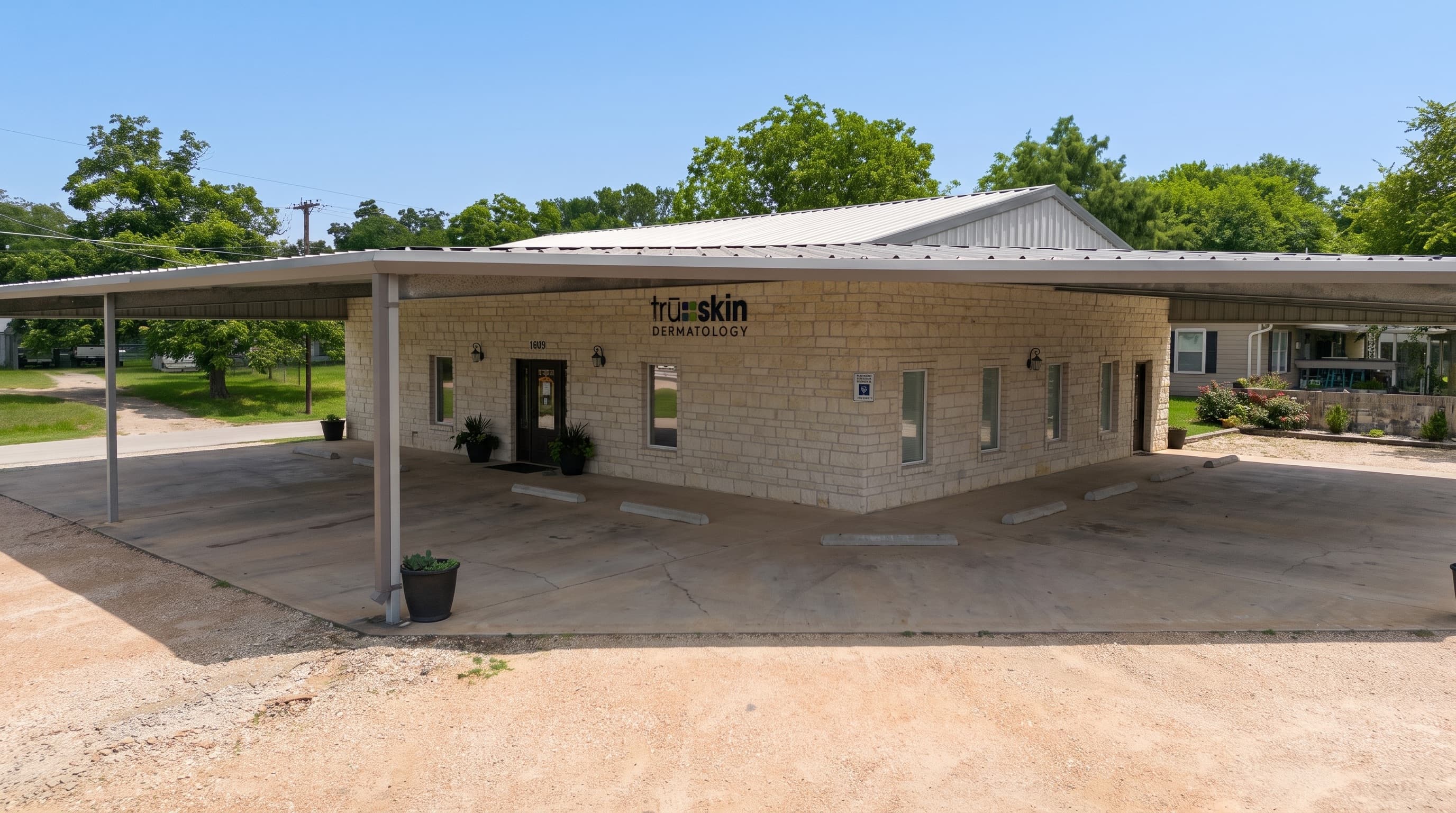
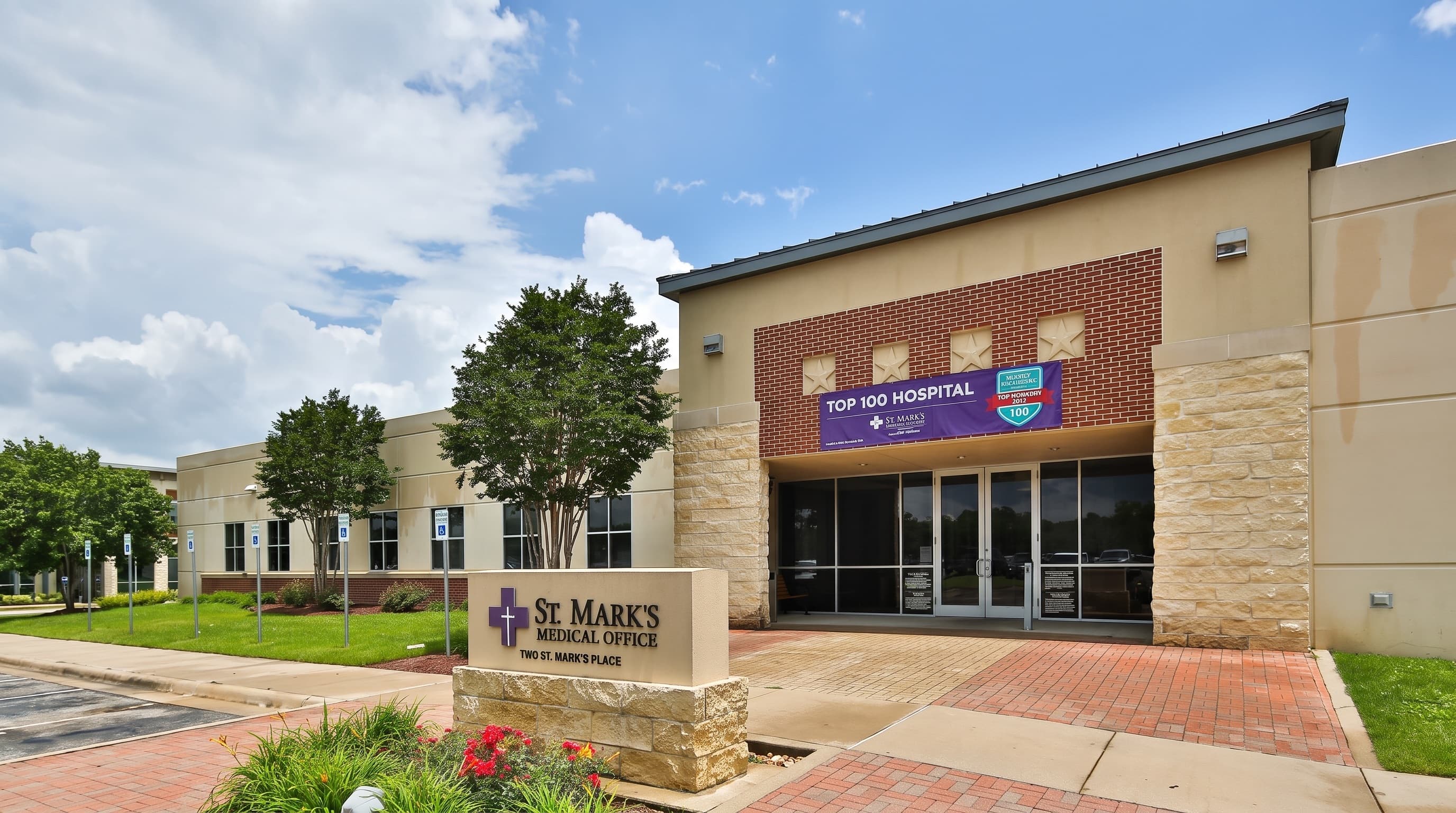
Superficial Radiation Therapy is currently available at these Tru-Skin Dermatology locations:

How Tru-Skin Dermatology Can Help
Consulting with one of our dermatologists, or skin care experts, is highly recommended. Our team can develop a suitable treatment plan based on your aesthetic skin care goals. Through an effective skin consultation, we'll start you on a healthy, glowing skin care journey.