
Understanding and Treating Different Types of Acne
Published September 18, 2025
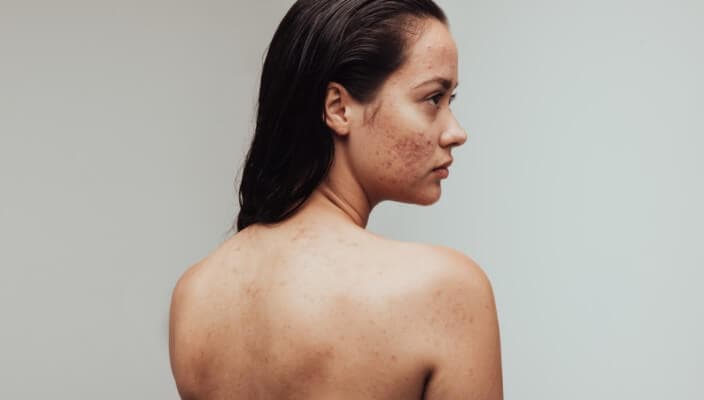
Treating Different Forms of Acne
Acne is a condition that affects the skin of millions of people worldwide, but not all acne is the same. Understanding the various types of acne and the best ways to treat them effectively can make a significant difference in managing this often frustrating condition. In this guide, we will go over various types of acne, including hormonal, cystic, and fungal, and discuss the most effective acne treatment options available today.
Types of Acne Explained
1. Hormonal Acne
Hormonal acneiscausedbychangesin hormones, which is why it often appears during puberty, menstrual cycles, pregnancy, and menopause. Itis typically characterizedby deep, painful cysts and nodules around the jawline, chin, and neck.
2. Cystic Acne
Thisisasevere form of acne, involving large, inflamed, and often painful cysts that develop deepunderthe skin. This type of acneis usuallycausedbya combination of bacteria, oil, and dry skin cells getting trapped in your pores.
3. Fungal Acne
Fungal acneis causedbyexcessive growthof yeast in the hair follicles. It often appears as small, itchy, uniform bumps on the chest, back, and sometimes the face.It’scommonly confused with bacterialacne, butrequires different treatment.
4.ComedonalAcne
Comedonalacne involves whiteheads and blackheads andis typically causedby clogged hair follicles due to excess oil production and dead skin cells. Itis commonly foundon the forehead, chin, and nose.
5. Inflammatory Acne
This type includes papules and pustules, which are red, swollen, and sometimes filled with pus. Inflammatory acne is often a result of bacterial infection and inflammation withinthe cloggedpores.
How to Treat Different Acne Types
Hormonal Acne Treatment Options
Treating hormonal acne often involves addressing the underlying hormonal imbalance. Common treatment options include:
Oral Contraceptives:Birth control pillshave the ability toregulate hormones and reduce acne.
Anti-Androgens:Medications like spironolactone can reduce the production of androgen hormones, which contribute to acne.
Topical Retinoids:These helpunclog pores and prevent new acne from forming.
Lifestyle Changes:Maintaininga balanced diet, reducing stress, and ensuring adequate sleep can help manage hormonal fluctuations.
Cystic Acne Treatment Options
Due to its severity, cystic acne often requires a more aggressive approach:
Oral Antibiotics:These can reduce inflammation and bacterial growth.
Isotretinoin (Accutane):A powerful drug that targets allcausesof acne but comes with potential side effects.
Corticosteroid Injections:These injectionsreduce inflammation andthesize of cysts quickly.
Professional Procedures:Laser therapy and chemical peels can help reduce scarring and inflammation.
Fungal Acne Treatment Options
Treating fungal acne involves targeting the yeast overgrowth:
Antifungal Medications:Topical or oral antifungal treatments like ketoconazole can effectively treat fungal acne.
Shower Regularly:Especially after sweating, to reduce yeast growth.
Avoid Humidity:Keep your skin dry and avoid heavy sweating.
ComedonalAcne Treatment Options
To managecomedonalacne, consider the following:
Topical Retinoids:Help to prevent pore clogging.
Salicylic Acid:This beta-hydroxy acid can penetrate pores and clear out debris.
Exfoliation:Regular gentle exfoliation can prevent clogged pores.
Non-Comedogenic Products:Prioritize usingskincare productsand makeupthatdoesn’tclog pores.
Inflammatory Acne Treatment Options
For inflammatory acne, the focus is on reducing inflammation and bacterial infection:
Benzoyl Peroxide:Kills bacteria and reduces inflammation.
Topical Antibiotics:Help to kill acne-causing bacteria.
Oral Antibiotics:For more severe cases.
Professional Treatments:Laser therapy and light treatments can reduce bacteria and inflammation.
General Acne Treatment and Prevention Tips
While specific treatments vary depending on the type of acne, there aregeneral practicesthat can help manage all forms of acne:
Stick toa Consistent Skincare Routine:Clean your faceat leasttwiceevery daywith a gentle cleanser.
Avoid Picking or Squeezing Pimples:This can worsen inflammation and lead to scarring.
Use Sunscreen:Non-comedogenic sunscreen protects the skin without clogging pores.
Healthy Diet:Stick to adietthat islow in sugar and dairy and high in fruits, vegetables, and whole grains can help reduce acne.
Stay Hydrated:Making sure you drink enough watercan helpkeep your skin hydrated and can improve overall skin health.
Keep Your Skin Clear with Tru-Skin Dermatology
Understanding the different types of acne and the best ways to treat them empowers you to take control of your skin health. From hormonal fluctuations to stubborn cystic acne and the itchiness of fungal acne, effective treatment options are available.
By integrating lifestyle changes,appropriate skincareproducts, and professional treatments, you can achieve clearer, healthier skin. AtTru-Skin Dermatology,locatedin Austin, Spring Branch, and various locations throughout Texas,weare dedicated to providingtop-tier care and personalized treatment plans to help you meet your skincare goals. Supported byQualDermPartners, we offer a full spectrum of dermatology and cosmetic services designed to enhance your skin’s health and appearance. Contact usonlineor at888-451-0139today to start your journey toward clearer skin and greater confidence.