
Mole Changes After Summer: What to Look for Before Fall
Published September 21, 2026
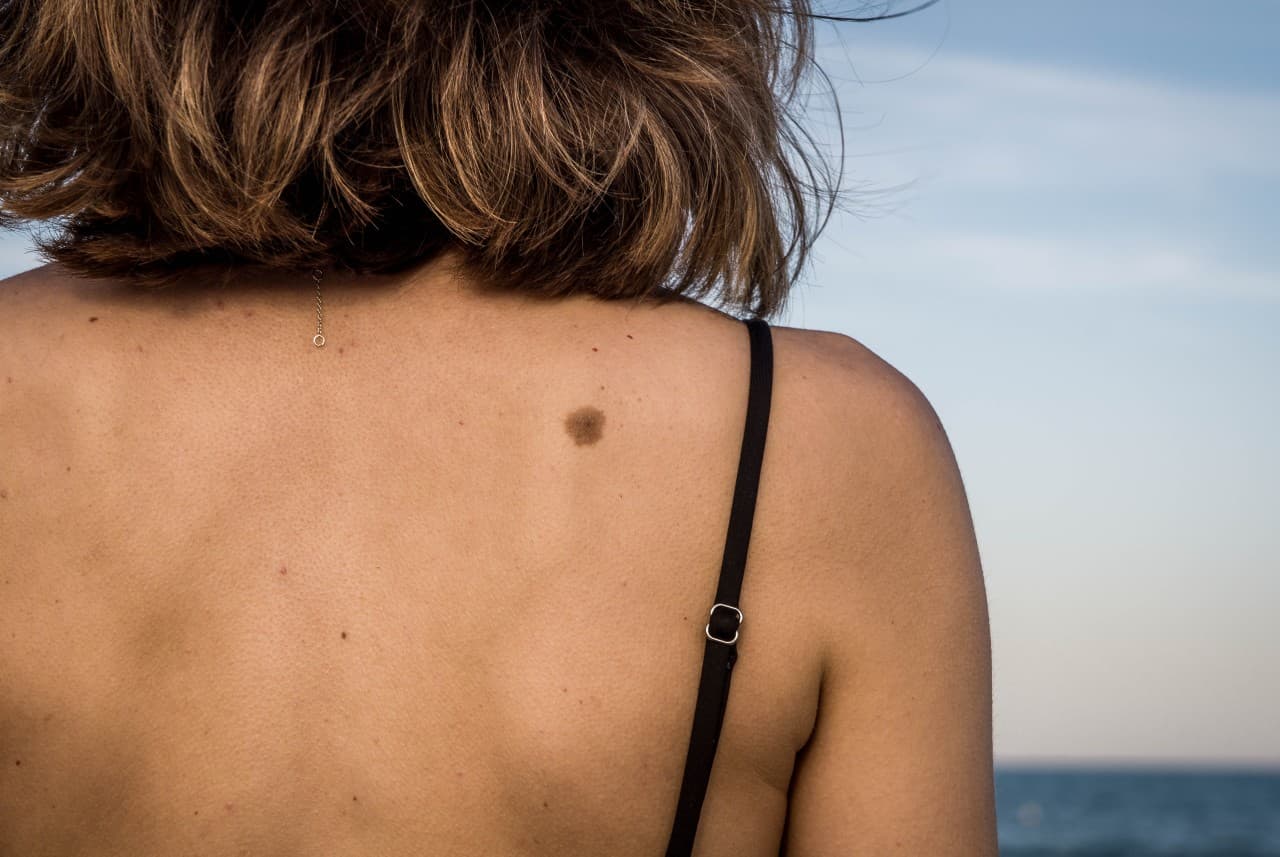
Are you noticing mole changes after summer? After months of sun exposure from beach trips, outdoor sports, gardening, hiking, and other summer activities, you may notice new spots, darker freckles, or changes in existing moles. A new mole after sun exposure or a changing mole is not always a sign of skin cancer, but noticeable changes are worth monitoring.
As fall approaches, take time to check your skin for suspicious moles and consider scheduling a professional skin cancer screening if something looks different. In this guide, we’ll cover what to watch for, how to perform a skin self-check, when to schedule a Tru-Skin Dermatology appointment, and how a total body skin exam can support early detection.
Why Mole Changes May Stand Out After Summer
Summer often means more time outdoors and increased UV exposure, even when you regularly use sunscreen. Beach trips, pool days, outdoor sports, gardening, hiking, golf, travel, and even time spent driving or near windows can make skin changes more noticeable.
You may notice a mole looks darker, larger, raised, or more textured, or that a new brown, pink, red, or skin-colored spot has appeared. While UV exposure can make these changes stand out, a changing mole or spot that itches, bleeds, crusts, or feels tender should be evaluated by a dermatologist. Fall is an ideal time to check for changes that appeared during summer.
Is It Normal to Notice a New Mole After Sun Exposure?
A new mole after sun exposure can have many causes. While a new spot does not automatically mean skin cancer, it is important to monitor changes.
Pay attention to:
When the spot appeared
Whether it is growing or changing
Whether it looks different from nearby spots
Itching, bleeding, crusting, or changes in color
An irregular shape or border
If a spot looks different or changes over time, consider scheduling a mole check with a dermatologist at Tru-Skin Dermatology for professional evaluation.
Suspicious Mole Signs: The ABCDEs of Melanoma
The ABCDE method is an easy way to remember the signs of a suspicious mole. If you notice mole changes after summer, use these guidelines to help identify changes that may need professional evaluation:
A: Asymmetry — One half of the mole looks different from the other.
B: Border — Edges are irregular, notched, blurred, or poorly defined.
C: Color — Multiple colors appear in one spot, such as brown, black, tan, red, white, or blue.
D: Diameter — The mole is larger than a pencil eraser, or it is growing.
E: Evolving — The mole changes in size, shape, color, elevation, or sensation.
Evolving is especially important. Any mole that changes after summer, or becomes itchy or starts bleeding, should be evaluated by a dermatologist at Tru-Skin immediately.
The “Ugly Duckling” Sign: A Mole That Looks Different
Most people’s moles tend to follow a similar pattern. A mole that noticeably stands out from the others—the “ugly duckling”—may deserve closer attention.
Look for signs such as:
One mole is much darker than the rest.
One spot grows faster than surrounding moles.
One mole has a different shape, color, or texture.
A new spot appears and stands out from nearby moles.
If a spot catches your attention because it looks different, point it out during a skin exam. A mole that looks different from your personal pattern is worth checking.
Other Skin Changes to Watch Before Fall
Skin cancer can appear in different ways, so watch for spots that change, persist, or cause symptoms. These changes can appear on the face, ears, neck, chest, shoulders, arms, hands, back, legs, scalp, and tops of the feet. Skin cancer can also develop in areas not regularly exposed to the sun, which is why a full-body approach is crucial during a total body skin exam. Pay attention to:
A sore that is slow to heal
A spot that bleeds, crusts, or returns after healing
A rough, scaly patch
A pearly or shiny bump
A pink, red, brown, black, or skin-colored growth
A lesion that hurts, itches, or feels tender
A changing scar-like area
How to Perform a Post-Summer Skin Self-Check
A monthly skin self-check can help you notice changes, especially after a summer with increased sun exposure. Use a full-length mirror and a hand mirror to examine your skin from head to toe, including areas that are easy to miss.
Follow these simple steps to make your post-summer self-check more thorough:
Check your face, ears, neck, chest, abdomen, arms, hands, legs, feet, and nails.
Look between your fingers and toes, along your scalp and hairline.
Ask a partner to check your back, shoulders, scalp, and other hard-to-see areas.
Take photos of spots you want to monitor, using similar lighting when possible.
Document the spot’s size, shape, color, location, symptoms, and date noticed.
Note whether the spot is changing over time.
Self-checks help you notice changes between appointments, while a professional exam provides a trained, head-to-toe evaluation.
When to Schedule a Dermatology Appointment for a Changing Mole
Not every changing mole or new spot is a sign of skin cancer, but certain changes are worth having evaluated by a dermatologist. Schedule a Tru-Skin Dermatology appointment if you notice:
A mole changed after summer or a new mole appeared after sun exposure
A mole is growing, changing shape, or has multiple colors
A mole has an irregular border or looks different from other spots
A spot itches, bleeds, crusts, or hurts
A sore is slow to heal or returns after healing
You have a personal or family history of skin cancer
It has been more than a year since your last skin cancer screening or total body skin exam
A total body skin exam provides a thorough, head-to-toe evaluation of your skin by a dermatologist.
What Happens During a Mole Check?
A mole check focuses on evaluating one or more specific spots that look new or different. Your provider may ask when the mole appeared or changed, discuss symptoms such as itching or bleeding, review your personal and family history, and examine the spot closely. A dermatoscope may also be used to view the mole in greater detail and compare it with other spots on your skin.
Depending on the findings, your provider may document, photograph, monitor, biopsy, or treat the spot if clinically appropriate. Bringing photos of changes over time and notes about when the mole appeared or changed can be helpful. A mole check is a focused way to get expert guidance on a spot that feels new or different.
Why a Total Body Skin Exam May Be Recommended
A specific mole may bring you to a dermatologist, but a full-body evaluation can help identify other spots you may not easily see. A total body skin exam allows your provider to compare spots, establish a baseline, and support skin cancer prevention and early detection.
Keep up with your recommended skin Cancer Screening schedule and monitor for changes as directed by your provider. Patients at higher risk may need more frequent exams. A total body skin exam helps your dermatology provider evaluate your skin as a whole, not just one spot.
What Happens If a Mole Looks Suspicious?
If a mole looks suspicious, your provider may recommend monitoring it, taking photographs for comparison, or performing a biopsy. A biopsy involves removing a small sample of skin and sending it to a lab for review. Your care team will explain the results process and provide any necessary aftercare instructions.
Depending on the diagnosis, treatment may include monitoring, cryotherapy for certain precancerous or benign lesions, excision, Mohs surgery when appropriate, or follow-up care. Finding a suspicious mole early gives your care team more information and more options.
How Sun Exposure Can Affect Skin Over Time
UV exposure can contribute to sunburn, freckles, sun spots, premature aging, rough or scaly patches, precancerous changes, and increased skin cancer risk. A tan is a sign that your skin has responded to UV exposure, and repeated exposure can cause cumulative damage over time.
To protect your skin and support healthy habits:
Use broad-spectrum sunscreen and reapply during outdoor activities.
Wear hats, sunglasses, and UPF clothing.
Seek shade when possible and avoid tanning beds.
Schedule an annual skin exam, total body skin exam, or skin cancer screening as recommended by your provider.
Post-Summer Skin Protection Tips Before Fall
Fall is a great time to reset your skin health routine and continue protecting your skin. UV exposure does not stop after summer, so keep these habits in place:
Schedule a skin cancer screening if you are due.
Perform a monthly skin self-check.
Take photos of new or changing spots.
Continue using sunscreen daily and reapply during outdoor activities.
Use moisturizer as the weather becomes cooler and drier.
Keep hats and sunglasses accessible for sports, yard work, and outdoor events.
Simple Swaps for Better Mole Monitoring
Small changes to your skin health routine can make it easier to notice changes and protect your skin:
Swap guessing about a changing mole for a Tru-Skin Dermatology appointment.
Swap relying on memory for photos and notes.
Swap checking only sun-exposed areas for a head-to-toe self-check.
Swap waiting for discomfort for early evaluation of visible changes.
Swap summer-only sunscreen for daily sun protection.
Swap one-time skin checks for a regular annual skin exam schedule.
Swap worry for a clear plan from a skin expert.
FAQs About Mole Changes After Summer
Should I worry if a mole changed after summer?
A mole that changed after summer should be checked, especially if it changed in size, shape, color, texture, or symptoms. Schedule a dermatology appointment if it looks different from your other spots or continues to evolve.
Is a new mole after sun exposure always skin cancer?
Not always. New spots can be freckles, sun spots, benign growths, or moles. A new or changing spot should be evaluated if it looks unusual, grows, itches, bleeds, crusts, or stands out from other spots.
What are the most important suspicious mole signs?
Watch for asymmetry, irregular borders, multiple colors, growing size, and evolving changes. Also pay attention to itching, bleeding, crusting, pain, or a spot that looks different from others.
How often should I check my moles?
Monthly self-checks can help you notice changes between professional appointments. Ask your Tru-Skin Dermatology provider how often to schedule a skin cancer screening based on your risk factors.
What happens during a mole check?
A dermatology provider examines the mole, asks about changes and symptoms, and may use a dermatoscope. If needed, the provider may recommend monitoring, photography, biopsy, or treatment.
Should I schedule a total body skin exam or just a mole check?
If one spot is concerning, a mole check may be appropriate. A total body skin exam may be recommended to evaluate your skin more completely, especially if you are due for an annual skin exam.
Can skin cancer appear in areas that did not get summer sun?
Yes. Skin cancer and suspicious spots can appear in areas that are not regularly exposed to the sun. A head-to-toe exam helps your provider evaluate your skin more completely.
When to Schedule a Skin Cancer Screening at Tru-Skin Dermatology
If a mole changed after summer or you noticed a new mole after sun exposure, schedule a Tru-Skin Dermatology appointment. A skin expert can evaluate suspicious mole signs and perform a skin cancer screening or total body skin exam.
Consider scheduling an appointment if it has been more than a year since your last annual skin exam, you have a personal or family history of skin cancer, or you have many or atypical moles. Take a proactive step toward healthy skin before fall with Tru-Skin today!