
How Often Should You Get a Full Body Skin Cancer Screening?
Published September 18, 2025
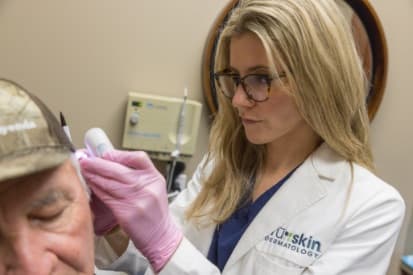
What You Should Know About Skin Cancer Exams
It is estimated that approximately 1 in 5 Americans, or 20% of the American population, will develop some form of skin cancer by the age of 70. The three most common types of skin cancer include basal cell carcinoma, squamous cell carcinoma, and malignant melanoma. Knowing how often you should seek a full-body skin cancer screening is crucial for preventative purposes and to ensure there are no other areas of concern that require immediate attention.
High-Risk Individuals
For individuals who have a familial history of developing skin cancer, it's recommended that they visit a dermatologist at least once every six months for a complete full-body skin cancer screening. High-risk individuals may also include those who experience excessive sun exposure, tan frequently, and have skin that is already prone to the development of moles, tags, and irregular bumps.
Annual Skin Cancer Screenings
For most adults, it's recommended that a full-body skin cancer screening be conducted at least once a year. Seeing a dermatologist annually once will help detect irregular mole shapes, growths, and areas of concern that may require additional screening or a biopsy. An annual checkup is advisable for those with little to no history of skin irregularities, diseases, or familial skin conditions that are linked to skin cancer.
Risk Factors to Consider
When it comes to scheduling your full body cancer screenings, it's essential to do so only after you've considered your lifestyle, habits, and personal risk factors for developing any form of skin cancer. Some special considerations and risk factors to keep in mind when determining the frequency of your full-body skin cancer screenings include:
One of the tell-tale signs that you will require ongoing skin inspections and cancer screenings is a genetic risk of a family history of skin cancer. Genetics play a significant role in the potential for skin cancer genes to express themselves, regardless of your age and lifestyle. If you have a family history of irregular moles, growths, skin conditions, or skin cancer, it's advisable to see a dermatologist at least once every six months, if not more, if necessary.
Skin Type
Some individuals have skin types that are more prone to burning or developing skin irregularities. Those who have lighter eyes and fairer skin may find it more difficult to be exposed to the sun for extended periods.
Don’t Wait—Seek Early Detection for Skin Cancer
Getting a full-body skin cancer screening is a way to alleviate stress and worry over a new mole or skin tag while learning more about them. With the help of the right dermatologist or dermatology team, maintain your peace of mind anytime you are tending to skin issues or growths, benign or not. At Tru-Skin Dermatology, we provide medical, cosmetic, and surgical dermatological services for everyone. To learn more about scheduling a full-body cancer screening, get in touch with Tru-Skin today.
Trusted for Skin Cancer Diagnosis & Treatment
At Tru-Skin Dermatology, our expert team is dedicated to providing thorough evaluations and personalized care to ensure your skin health is in optimal condition. By scheduling an appointment with us, you’re taking a crucial step toward safeguarding your well-being and addressing any potential issues before they become serious. Contact us today to book your screening and gain peace of mind with the help of our skilled dermatologists. Your health and safety are our top priorities.