
Chemical Peels in Fall: Why Cooler Months Are Popular for Skin Renewal
Published November 6, 2026
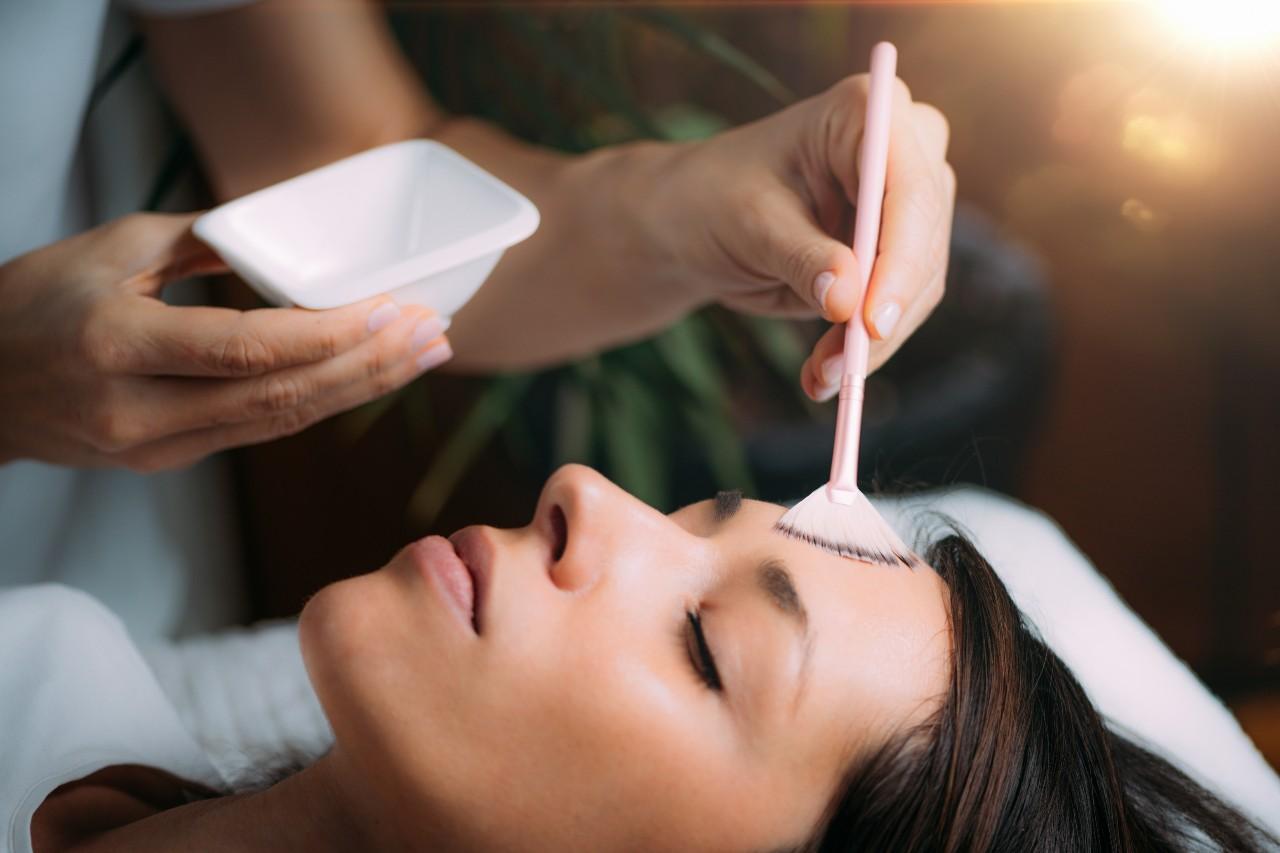
A chemical peel in fall can be a great way to refresh skin after months of summer sun, heat, and outdoor activities. Uneven tone, sun spots, dullness, rough texture, and clogged pores can all become more noticeable after summer.
Fall is a popular time for this skin renewal treatment, but the best time for a chemical peel depends on your skin, treatment goals, peel strength, and the ability to protect your skin from the sun. This guide covers the benefits of fall chemical peels, what to expect, and how to care for your skin before and after treatment.
What Is a Chemical Peel?
A chemical peel uses a chemical solution to exfoliate the skin, helping improve tone, texture, brightness, and overall appearance. Peels can be used on the face, neck, chest, hands, and other areas your provider recommends.
Peels vary in strength and depth, from superficial to deeper treatments. Your provider can recommend the right option based on your skin type, concerns, goals, and treatment history.
Why Is Fall a Popular Time for a Chemical Peel?
A chemical peel in fall can be a convenient way to refresh your skin after summer. The season itself does not make a chemical peel more effective, but fall may make it easier to plan treatment and follow aftercare recommendations.
Less Intense Summer Sun Exposure
Freshly treated skin needs thoughtful sun protection. In fall, you may spend less time at beaches, pools, festivals, or on extended outdoor activities, making it easier to follow your provider’s recommendations around direct sun exposure. However, UV rays are still present year-round, so Tru-Skin Dermatology recommends limiting sun exposure before and after a chemical peel and wearing broad-spectrum SPF 30 or higher every day.
A Natural Time to Refresh a Skincare Routine
Fall can also be a natural time to refine your skincare routine. After months of sunscreen, sweat, oil, travel, and outdoor activities, a seasonal reset can focus on hydration, skin renewal, and targeted treatments. With the right approach, professional treatments and medical-grade skincare can help support healthy, glowing skin.
Is Fall the Best Time for a Chemical Peel?
For many patients, fall is a popular time for a chemical peel because it's easier to limit sun exposure during recovery. However, the best time for a chemical peel depends on your skin type, treatment goals, peel strength, lifestyle, and ability to protect your skin from UV exposure.
Your provider will also consider your skin condition, skincare routine, medications, upcoming travel, and desired recovery time. A cosmetic consultation can help determine the right timing and create a personalized treatment plan.
What Skin Concerns Can Chemical Peels Help Improve?
Chemical peels are a versatile treatment that can be customized to address different skin concerns and cosmetic goals. Depending on your skin and the type of peel selected, a chemical peel may help improve:
Dull-looking skin
Uneven skin tone and discoloration
Rough or uneven texture
Fine lines and age spots
Sun damage and hyperpigmentation
Melasma
Certain types of acne
Acne-related discoloration
Enlarged or congested-looking pores
Results vary from person to person, and your provider can recommend the most appropriate treatment based on your skin, concerns, and goals.
Can a Chemical Peel Help Refresh Sun-Damaged Skin After Summer?
A chemical peel after the summer season can help improve the appearance of sun-related concerns like age spots, uneven pigmentation, rough texture, fine lines, and dullness. Certain peels resurface the skin to promote a smoother, more even-looking complexion.
Chemical peels improve visible signs of sun damage, but cannot reverse UV damage. Daily sun protection helps preserve healthy skin and maintain results. A dermatologist should evaluate any new, changing, bleeding, or persistent spot before cosmetic treatment.
What Types of Chemical Peels Does Tru-Skin Dermatology Offer?
Chemical peels vary in strength and depth. Your Tru-Skin Dermatology provider can explain which peels are available at your location and recommend an option based on your skin, goals, and desired recovery time.
What Happens During a Chemical Peel Appointment?
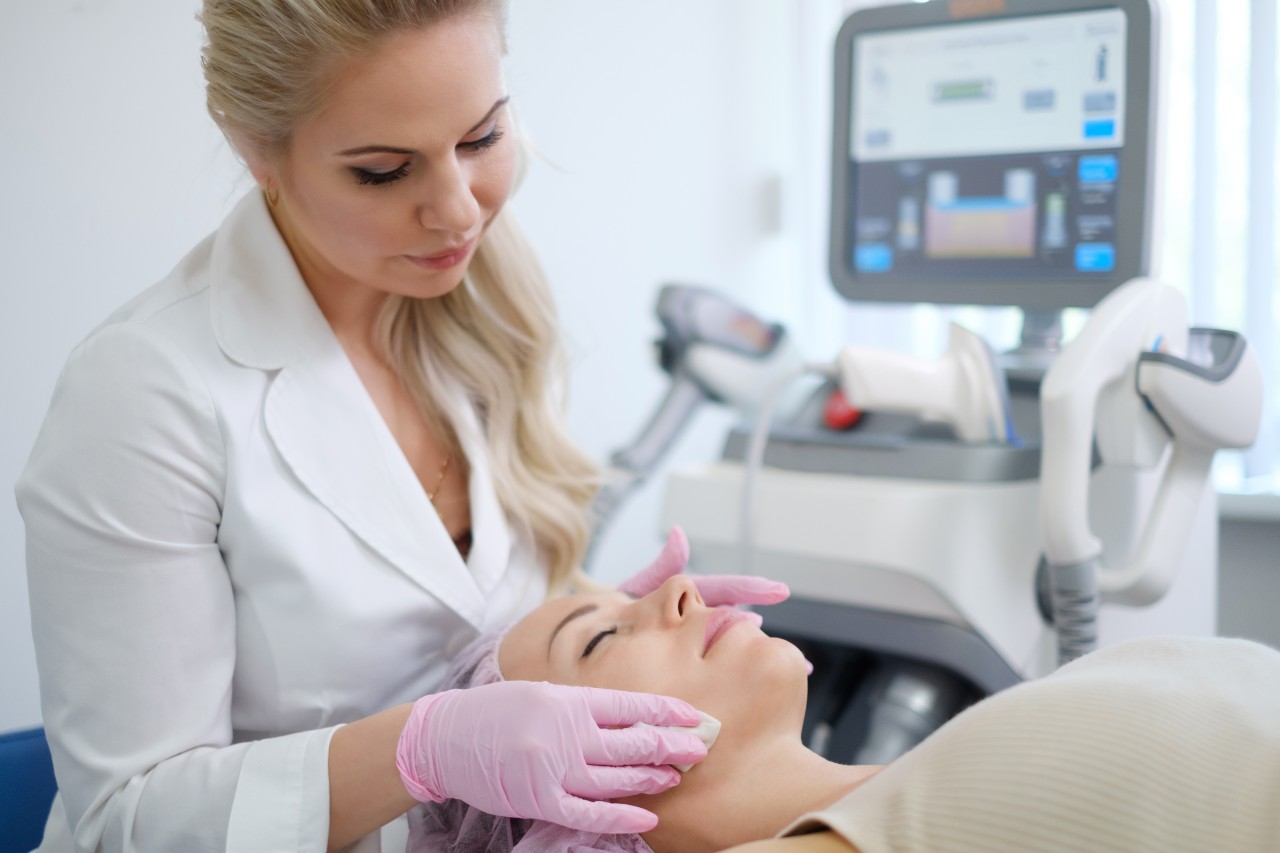
A chemical peel appointment typically begins with a skin assessment and review of your skincare routine, medications, and skin concerns. Your provider then cleanses the skin and carefully applies the chemical solution.
You may feel tingling, warmth, or stinging during treatment, depending on the peel. Your provider will monitor your skin and may apply moisturizer or sunscreen afterward. Treatment time varies by peel type and treatment area. Ask your provider how much time to allow for your appointment.
How Should You Prepare for a Fall Chemical Peel?
Preparing for a fall chemical peel can help support a smooth treatment and recovery. A few simple steps can help you get ready:
Build a Sun-Smart Schedule
Plan your peel around a time when you can limit direct sun exposure. Use shade, hats, protective clothing, and broad-spectrum sunscreen, and consider upcoming vacations, outdoor events, weddings, or holiday travel when scheduling treatment.
Review Your Skincare Routine
Ask your provider which products you should pause before treatment. Certain active ingredients, including topical retinoids and alpha/beta hydroxy acids, may need to be paused before treatment. Always follow the specific pre-peel instructions provided for your treatment.
Share Your Skin and Medical History
Tell your provider about your medications, cold sore history, recent cosmetic treatments, acne or irritation, skin sensitivity, previous reactions, pregnancy or nursing status, and any recent isotretinoin use. Your provider will determine whether a chemical peel is appropriate and when to perform it.
What Should You Expect After a Chemical Peel?
Recovery after a chemical peel varies by treatment and may include temporary redness, sensitivity, dryness, tightness, flaking, or visible peeling. Extensive peeling is not required for a chemical peel to be effective, and lighter peels typically involve less recovery than medium or deeper treatments.
Your treatment plan should account for both your skin goals and the amount of recovery time that fits comfortably into your schedule. Your provider can help you understand what to expect based on the specific peel you receive.
How to Support Healthy Skin After a Chemical Peel

Supporting your skin after a chemical peel starts with gentle skincare, sun protection, and following your provider’s personalized aftercare instructions. Giving your skin time to heal and renew naturally can help support healthy, glowing skin throughout recovery.
Keep skincare gentle: Use a mild cleanser, moisturizer, and provider-approved products.
Protect from the sun: Wear SPF 30+, seek shade, and wear protective clothing.
Let skin renew naturally: Don’t scrub, pick, or aggressively exfoliate peeling skin.
Follow aftercare: Follow your provider’s guidance on makeup and active ingredients.
Know when to call: Contact Tru-Skin Dermatology about significant swelling, blistering, or scabbing.
Can You Get More Than One Chemical Peel During Fall and Winter?
Some chemical peels are performed as a series, with treatment timing based on the peel and your individual skin needs. Your provider will recommend an interval based on the peel depth and how your skin heals; deep peels are not repeated as a routine series.
Fall and winter can be a convenient time to begin a series, giving you several months to plan treatments around travel, holidays, and your desired results. Your provider will determine the right number of treatments, frequency, peel strength, and maintenance schedule for your skin.
Chemical Peel vs. Other Fall Skin Renewal Treatments
Chemical peels are one of several skin renewal options. Depending on your goals, your provider may discuss microneedling, dermaplaning, microdermabrasion, or other treatments. Ask your Tru-Skin Dermatology location which options are available and appropriate for your skin.
The right treatment depends on your primary concern, skin type and tone, desired downtime, treatment history, budget, and timeline. A cosmetic consultation can help determine whether a chemical peel, another targeted treatment, or a combination approach best supports your healthy skin goals.
How to Find a Chemical Peel Near Me
When searching for a chemical peel near me, look for a provider offering personalized consultations, experienced care across different skin tones, and clear pre and post-treatment guidance. Professional evaluation helps ensure the right peel is selected for your skin and goals.
Tru-Skin Dermatology serves patients across Austin and Central Texas. If you're searching for a chemical peel near you, schedule a cosmetic consultation to create a treatment plan tailored to your skin and goals.
When Should You Schedule Your Fall Chemical Peel?
If you’re considering a chemical peel in the fall, it’s best to plan ahead. Consider your expected recovery time, upcoming holidays, family photos, weddings, travel, work commitments, and outdoor activities. If multiple treatments are recommended, starting earlier in the season may give you more time to reach your desired results.
The best time for a chemical peel depends on your treatment and lifestyle. Schedule a cosmetic consultation with Tru-Skin Dermatology to discuss your fall skin renewal goals and get personalized recommendations for your peel, skincare preparation, aftercare, and treatment timeline.
FAQs About Chemical Peels in Fall
Is fall a good time to get a chemical peel?
Yes. Fall can make post-treatment sun protection easier to manage, but daily sun protection remains important year-round.
What is the best time for a chemical peel?
The best time for a chemical peel depends on your skin, treatment goals, peel strength, sun exposure, and schedule. Fall and winter are popular, but treatment can be appropriate at other times of year.
Why should I limit sun exposure after a chemical peel?
Treated skin can be more sensitive to UV exposure. Shade, protective clothing, and broad-spectrum SPF 30+ can help protect your skin and maintain results.
Can a chemical peel help with summer sun damage?
A chemical peel may improve the appearance of uneven pigmentation, age spots, rough texture, fine lines, and dullness. Your provider can determine whether a peel is right for your skin.
How long does a chemical peel take?
Treatment time varies by peel type and treatment area. Ask your provider how much time to allow for your appointment.
How much will my skin peel?
It depends on the treatment and your individual response. Some peels cause little visible flaking, while others may cause several days of peeling.
How long is the recovery after a chemical peel?
Recovery can range from a few days for some superficial peels to several weeks for deeper treatments. Your provider can explain what to expect from your specific peel.
Can all skin tones receive chemical peels?
Chemical peels can be used across many skin tones, but treatment selection and provider expertise are important because some patients may be at higher risk of pigmentation changes.
How often can I get a chemical peel?
Frequency depends on the peel depth, your skin’s response, and your treatment goals. Your provider will recommend when, or whether, another treatment is appropriate.
Where can I find a chemical peel near me?
If you're searching for a chemical peel near me in Austin or Central Texas, schedule a cosmetic consultation with Tru-Skin Dermatology to explore your options.